How to Check an Approved Driving Instructor in the UK
Choosing the right driving instructor is about more than getting through a test. It is about learning safe habits that last. In the UK, you can check if someone is a genuine, qualified professional in minutes. Doing so protects you from poor tuition, wasted money, and potential safeguarding risks.
This guide shows you exactly how to verify an instructor’s ADI status, what the green and pink badges mean, and the red flags to avoid. You will also find practical checks for insurance and safeguarding, plus signs that an instructor is not just legit, but good.
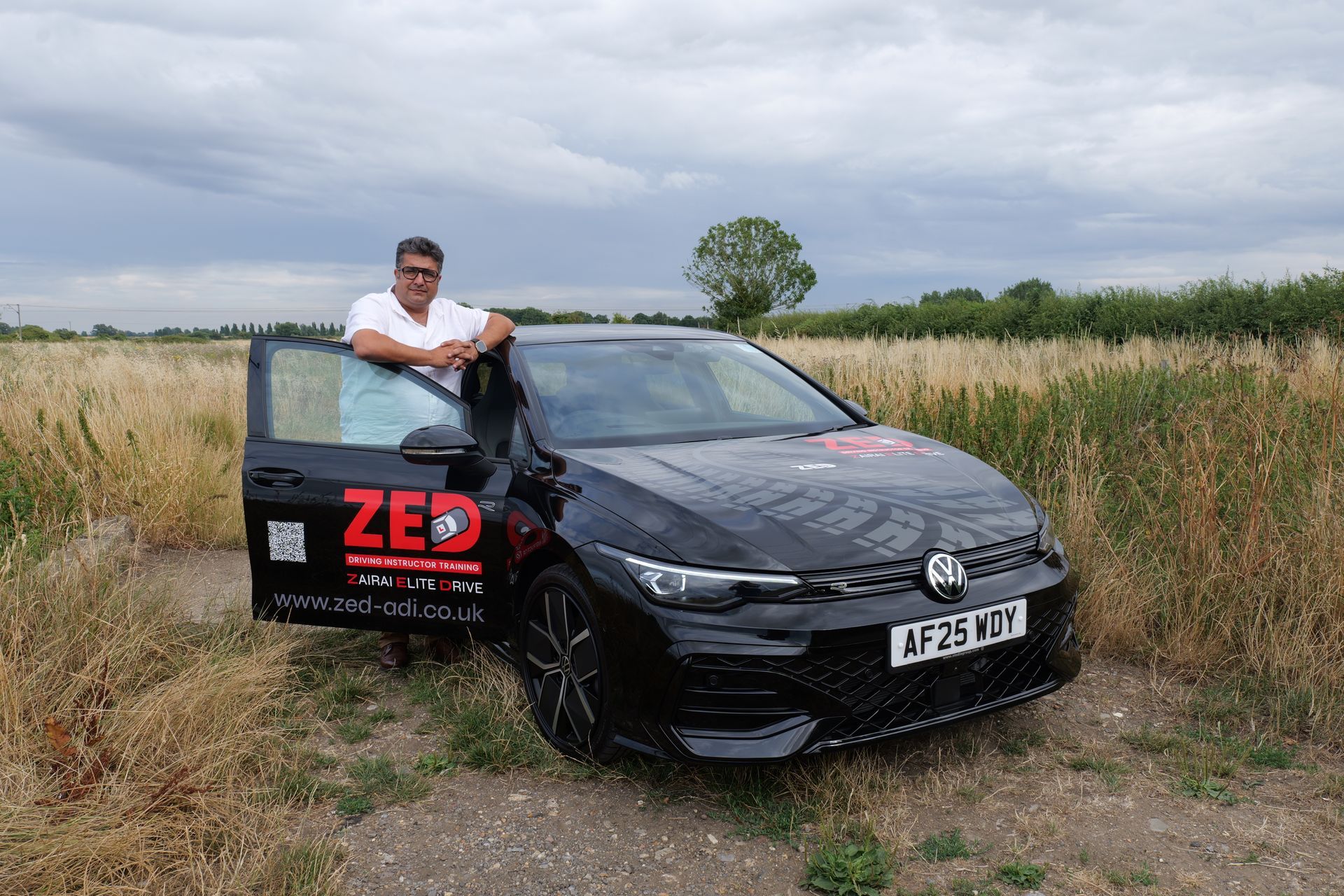
If you are in Cambridge and want calm, ADI-led coaching in a premium car, ZED offers manual and automatic lessons delivered in-car, with teaching focused on real road craft.
What ADI and PDI mean, and why it matters
- ADI: Approved Driving Instructor. Fully qualified and registered with the Driver and Vehicle Standards Agency (DVSA). They display a green badge.
- PDI: Potential Driving Instructor. A trainee with a valid licence to teach for payment while working toward full qualification. They display a pink badge.
A proper ADI or licensed PDI has passed background checks and DVSA assessments. Choosing one typically means better structure, safer lessons, and training that prepares you for independent driving, not just the test.
How to check an instructor on the DVSA register
The DVSA keeps a public list of instructors who choose to be listed. Use it to check a name, area, and qualifications:
- Go to the official DVSA “find a driving instructor” service on GOV.UK.
- Search by postcode or by the instructor’s name.
- Confirm the instructor’s full name, area, and whether they are listed as an ADI.
- If you cannot find them, ask for their ADI number and check again. Some qualified ADIs opt out of public listing, so if in doubt, ask to see their badge in the car.
Tip: Always cross-check the spelling of the instructor’s name. If details do not match what you have been told, proceed with caution.
What the green and pink badges mean
Every ADI or licensed PDI must display a DVSA badge in the windscreen during paid lessons:
- Green badge: Fully qualified ADI.
- Pink badge: PDI with a trainee licence, allowed to teach while working toward ADI Part 3.
The badge shows the instructor’s photo, expiry date, and ADI number. If the badge looks altered, out of date, or is not there at all during a paid lesson, stop and ask for clarification. No badge means no lesson.
Safeguarding and insurance checks you should make
A professional instructor should be transparent about protection for you and the public:
- Insurance: Ask to confirm they have appropriate motor insurance that covers tuition. A reputable instructor will be comfortable showing proof.
- DBS check: ADIs and PDIs are vetted. Ask when their Disclosure and Barring Service (DBS) check was last completed.
- Dashcams and data: If the car uses a dashcam, you should be told how footage is stored and used.
- Communication and boundaries: Lessons should be conducted professionally, with clear start and end times, and zero tolerance for inappropriate comments or behaviour.
If anything feels off, trust your instincts and walk away.
Red flags to avoid
- No badge displayed in the windscreen during a paid lesson.
- No willingness to show the badge, ADI number, or proof of insurance.
- Pressure to pay cash only with no receipt.
- Frequent last-minute cancellations without reason or policy.
- A car in poor condition, warning lights on, or bald tyres.
- Promises of guaranteed quick passes or unrealistic timelines.
- Poor communication, lateness, or dismissive attitude to safety.
How to tell if a driving instructor is good
Once legitimacy is established, quality is next. Look for:
- Structured lessons with clear goals, feedback, and progress tracking.
- Calm coaching under pressure, not shouting or blame.
- Real-road preparation, including complex junctions, night driving, rural routes, and independent driving.
- Honest readiness advice, not “test-chasing” before you are safe.
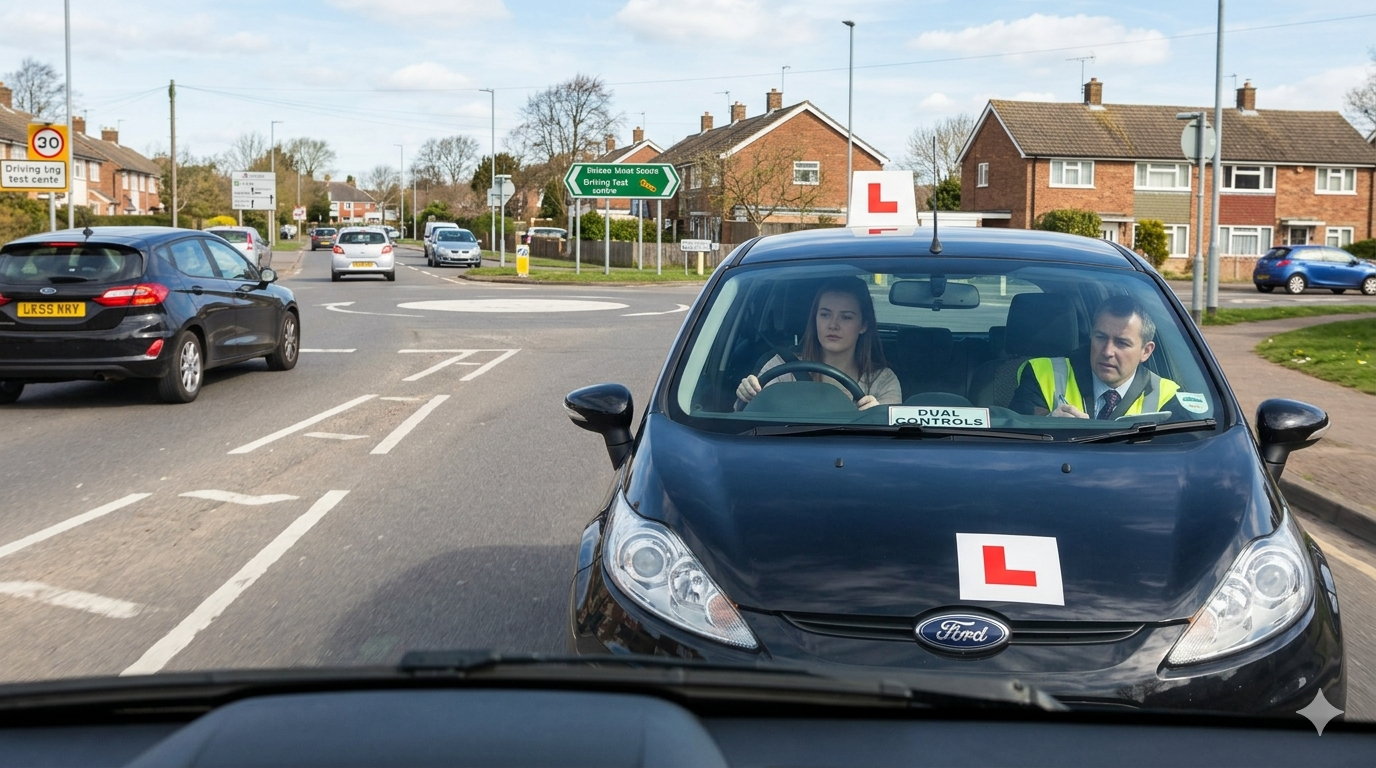
- A car that is clean, well-maintained, and fitted with dual controls.
You can also ask about recent learner outcomes in your area and what a typical learning plan looks like from first lesson to test.
Why choosing a qualified ADI improves safety and results
Qualified ADIs are trained to coach judgment, hazard perception, and decision-making. That translates to safer driving and fewer costly setbacks. You will usually cover more than the minimum test standard and build habits that hold up in busy urban traffic, fast roads, and unfamiliar conditions.
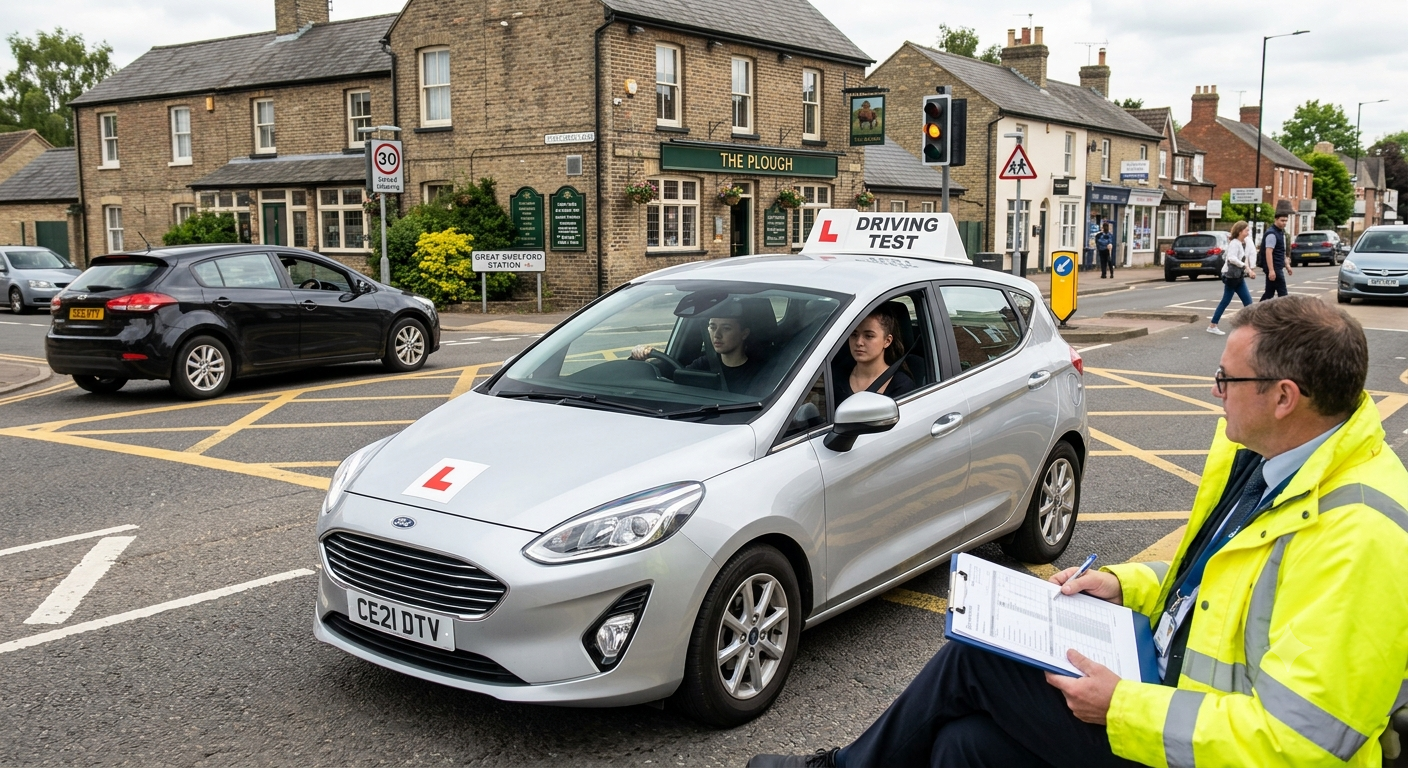
A strong instructor will also help you make sense of DVSA guidance and prepare you for local conditions. If you are preparing for the practical in the city, read our guidance on getting ready for your
driving test in Cambridge. When you are planning timelines, stay updated on DVSA policy with our notes on booking changes that affect how you
book a driving test in Cambridge.
ZED’s ADI-led, in-car approach
ZED’s lessons are delivered face-to-face in real cars, with clear coaching and unhurried progress. Every session is tailored to how you learn, not a script. If you prefer automatics, explore our personalised automatic driving lessons in Cambridge. If you want manual, see our manual driving lessons in Cambridge.
Instructors at ZED are trained to go beyond the test route and build road craft for life. That means more confident decision-making, smoother control, and readiness for busy routes around the city and local test centres.
Quick FAQ
- How do I check an Approved Driving Instructor?
Use the DVSA “find a driving instructor” service on GOV.UK. Then verify the green badge in the windscreen during your lesson. If it is a trainee, you will see a pink badge. - How do I find an Approved Driving Instructor near me?
Start with the DVSA search by postcode. Shortlist a few, then speak to each, ask about lesson structure, and confirm badge and insurance details before booking. - How can I tell if a driving instructor is legit?
They can show a current DVSA badge with photo and expiry date, provide their ADI number, and confirm insurance. No badge during paid lessons is a deal-breaker. - How can I tell if a driving instructor is good?
Look for structured lessons, clear feedback, a professional manner, dual-controlled and well-kept vehicles, and honest advice about readiness.
Summary and next step
Verifying an instructor is simple: check the DVSA register, confirm the badge, and ask about insurance and safeguarding. Choose someone who coaches calmly, tracks progress, and prepares you for real roads, not just the test route. If you are learning in the city and want focused, ADI-led tuition, book manual or automatic lessons with ZED in Cambridge.